The holiday season draws near again. Pine trees stand tall against the falling snow. The soil covers itself with a glistening, white blanket. And while Christmas is not celebrated universally, everyone is sure to find a piece of their own wintry joy.
And what better opportunity can families with autistic children seize than winter break to experience the seasonal magic? Look no further if you and your ASD kids are looking to spend the holiday in a heart-warming, autism-friendly way. Here are three Christmas holiday activities tailored to the needs of autistic children.
1. Selective Tree Decorating

Tree decorating is more than just a signature activity of the holiday season. What many do not realize is that it is also a learning opportunity for children with ASD and their parents.
To begin with, parents need to choose the right kind of tree. Pine trees tend to give off a distinct scent and their needles can be rather prickly. All these sensory stimuli may be triggering for some autistic children. It is advisable for parents to first learn more about their children’s sensory triggers before diving into the activity itself.
If pine trees are not sensory-friendly for your child, consider opting for other species of trees. Trees made of other materials, like cloth or books, are also a viable option.
Parents can then discuss with their children what decoration to hang on the tree. Again, it bears repeating that some children with ASD may be sensitive to objects of certain textures. Parents, therefore, should remain cautious about sensory overloads. When carefully controlled, the activity makes for a great opportunity for autistic children to explore different surface textures.
2. Controlled Gift Exchange

Routines and transparency create safe spaces for many autistic children. It should therefore come as no surprise that gift exchange activities like Secret Santa can be stressful for autistic children. That being said, with careful planning, children with ASD can still have a blast exchanging gifts.
Parents should first consider getting a wish list from their children. This minimizes the child’s unease, but to a certain extent, still retains the surprise factor of the activity.
Every ASD individual is unique. What is soothing for one autistic child may be triggering for another. Prior to the exchange, parents should ensure that the presents are sensory-friendly for the child receiving them. This can be easily done by getting direct confirmation from the recipient’s parents.
3. Play-Doh Snowman Building
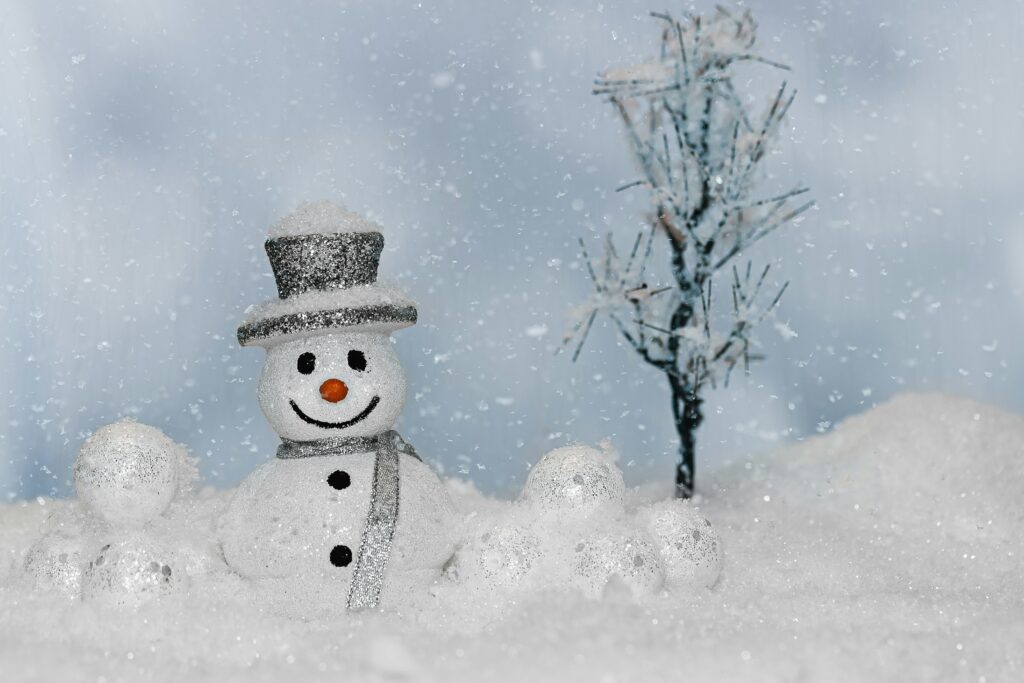
One of the simple yet classic joys of winter is snowman-building. For most neurotypical children, the cold may be unpleasant. But for children with ASD, the cold can become unbearable due to temperature hypersensitivity.
This is where Play-Doh comes in. For autistic children who have no qualms with the texture of Play-Doh, it can be a great substitute for snow. With Play-Doh, children with ASD can build a diorama of the winter landscape.
Despite all there’s to like about Play-Doh, parents should exercise caution whenever their children play with the material. According to Poison Control, while Play-Doh is not toxic, it may trigger gluten allergies and is not meant to be eaten.
Autism Resources
Do you want to be the hands that shelter autistic children? Do you want to be the voice that calls for inclusion? Knowledge is the precursor to change. One of the key missions of Autism Today is to provide the world with valuable autism resources.
This is why we created Exceptional Resources.
Life is hectic, but the world of autism is vast. Parents and educators of ASD individuals should not have to visit a hundred different sites to get what they need. On Exceptional Resources, you will find everything you need to take care of those with autism.
Check out Exceptional Resources today and help yourself to autism resources of premium quality.