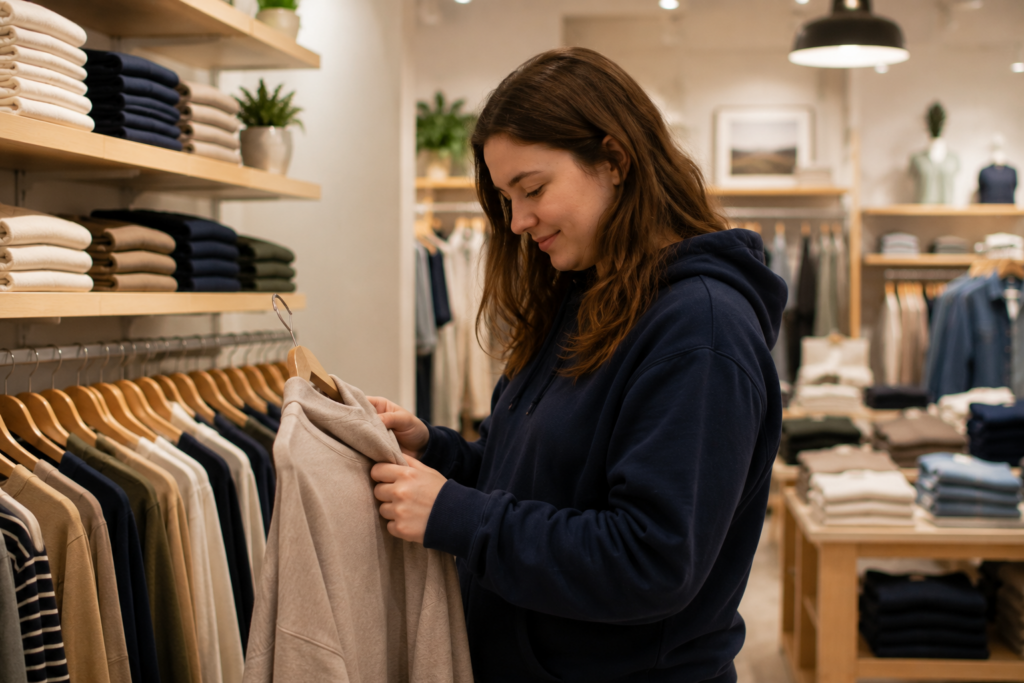
For many autistic and neurodivergent individuals, shopping can feel overwhelming instead of enjoyable. Bright lights, loud music, crowded aisles, strong smells, and constant sensory stimulation can quickly become exhausting. What feels like a normal shopping trip for some can create real stress and anxiety for others.
A recent article from Vogue explored how retailers are beginning to rethink the in-store experience for neurodivergent shoppers – and it’s a very encouraging shift.
The article explains that inclusion goes beyond simply offering a sensory-friendly shopping hour. Many neurodivergent individuals say the overall environment still matters just as much. Harsh lighting, loud background music, cluttered layouts, and long checkout lines can all add to sensory overload.
Experts are encouraging businesses to think more intentionally about how stores are designed and how customers experience those spaces. Small adjustments can make a surprisingly big difference, including:
- Softer lighting
- Lower music volume
- Clearer store layouts
- Reduced visual clutter
- Quiet checkout areas
- Staff training around neurodiversity and sensory needs
These changes don’t just support autistic and neurodivergent shoppers – they often create a calmer and more welcoming experience for everyone.
The article also highlighted organizations such as Neurohaus, which works with major brands to help create more neuro-inclusive retail environments by listening directly to neurodivergent individuals and better understanding real sensory experiences. Companies like KultureCity are also helping businesses become more sensory accessible through staff training, sensory inclusion programs, and practical accommodations for neurodivergent customers.
This conversation is important because sensory accessibility matters. Inclusion is not about giving special treatment – it’s about recognizing that people experience the world differently and creating spaces where everyone can feel comfortable, respected, and supported.
It’s wonderful to see more businesses beginning to move in this direction, one thoughtful change at a time.