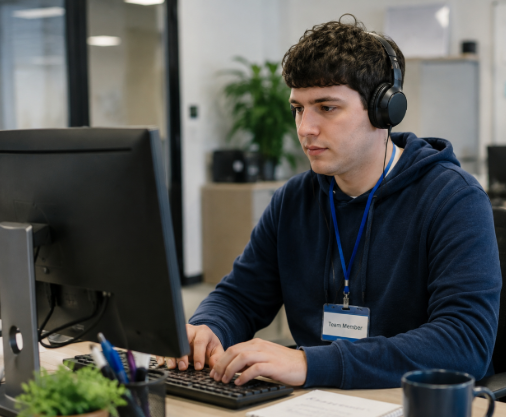
For many years, conversations about autism and neurodiversity in the workplace were often framed around limitations or challenges. But thankfully, that perspective is beginning to change.
Today, more employers, researchers, and business leaders are starting to recognize something important: neurodivergent individuals often bring unique strengths that can help workplaces become more creative, innovative, thoughtful, and successful.
Instead of asking, “How do we manage differences?” many organizations are beginning to ask a much better question: “How can we create environments where different kinds of minds can thrive?”
And that shift is opening exciting new doors for autistic and neurodivergent individuals around the world.
Different ways of thinking can strengthen workplaces
A growing number of companies are discovering that teams benefit when people think differently from one another.
Many neurodivergent individuals bring strengths such as deep focus, pattern recognition, creativity, honesty, problem-solving abilities, attention to detail, persistence, and fresh ways of approaching challenges. Of course, every person is different—but businesses are increasingly realizing that these perspectives can be incredibly valuable.
A recent neuroinclusion report explained how companies that embrace neurodiversity are often seeing stronger innovation, improved collaboration, and new ways of solving complex problems. Rather than viewing neurodivergence as something negative, many employers are beginning to recognize it as a competitive advantage.
You can read more here:
Deloitte Neuroinclusion Report
A growing push for inclusive hiring
Another encouraging trend is the growing movement toward more inclusive hiring practices for autistic and neurodivergent individuals.
A 2026 workforce report highlighted how many organizations are beginning to rethink traditional interviews, rigid workplace expectations, and outdated assumptions about communication styles or productivity. Instead, employers are exploring more flexible and supportive ways to identify talent and help employees succeed.
This is especially important in fields like technology, entrepreneurship, design, research, and creative industries, where different ways of thinking can often lead to breakthrough ideas and innovation.
You can learn more here:
Creative Spirit Workforce Report
Neurodivergent entrepreneurs are creating their own paths too
For some neurodivergent individuals, traditional workplaces may not always feel like the best fit. That’s why entrepreneurship and self-employment are also becoming increasingly important pathways.
Many autistic and neurodivergent entrepreneurs thrive when they have flexibility, independence, creative control, and the ability to build environments that support how they naturally work and think.
A recent Canadian report explored how neurodivergent individuals are finding success through small business ownership, freelancing, consulting, and creative ventures. The report also encouraged governments and organizations to create more neuroinclusive mentorship, funding, and business supports.
You can read more here:
Creating Their Own Path Report
Companies are learning that inclusion benefits everyone
What’s especially encouraging is that neuroinclusive workplaces often end up benefiting all employees—not just neurodivergent ones.
Flexible communication, clearer expectations, sensory-friendly environments, remote work options, and supportive leadership can help create healthier workplaces for many different kinds of people.
Organizations are slowly learning that inclusion is not about forcing everyone to work the same way. It’s about recognizing that people contribute best when they are supported as individuals.
And when workplaces become more understanding, flexible, and human-centred, everyone has more opportunity to succeed.
A hopeful shift forward
There is still much more progress to be made, but the direction is encouraging.
More companies are beginning to move away from deficit-based thinking and toward strengths-based understanding. More employers are recognizing untapped talent. And more neurodivergent individuals are finding opportunities to contribute in ways that reflect who they truly are.
That’s not just good for autistic and neurodivergent people—it’s good for workplaces, communities, innovation, and society as a whole.
Because when different kinds of minds are welcomed and valued, everyone benefits