By Prabhleen Singh
What if one meaningful question could help someone feel less alone?
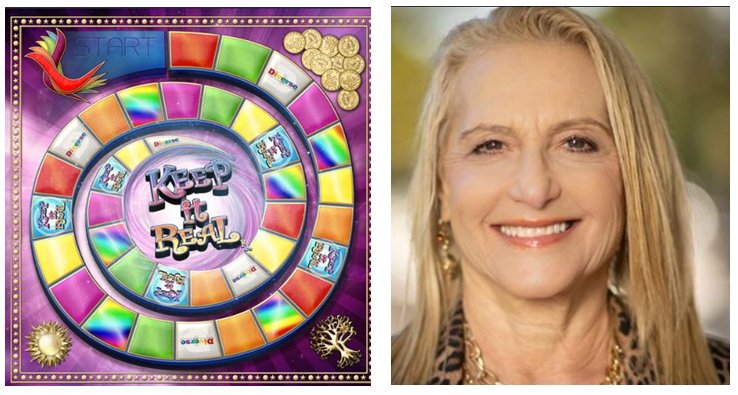
That simple but powerful idea is at the heart of the work of Leslie Robinson, BSW, M.A., Hon. D.Hum., a therapist, educator, and social innovator who has spent more than 40 years helping people heal through connection.
Throughout her career, Leslie has worked in schools, hospitals, universities, correctional facilities, and underserved communities. Across these diverse settings, she noticed something important: many people were not lacking insight or the desire to connect. What they were missing was a safe, structured, and compassionate way to talk about their experiences.
That realization led her to create Trance4mation Games and, more recently, Play to Heal Hub, a free online platform that brings her therapeutic dialogue games to people around the world. Her games have reached more than one million individuals and are being used by families, educators, mental health professionals, peer specialists, and community organizations.
Leslie was also recognized as a Luminary Leader in Autism Today’s Autism Directory for her work supporting autistic and neurodivergent individuals, along with their families.
A Different Kind of Game
These are not games in the traditional sense. There are no points to earn, no winners, and no pressure to come up with the “right” answer.
Instead, each game uses guided prompts organized around themes such as emotions, identity, inclusion, belonging, resilience, grief, relationships, and hope. Participants take turns responding at their own comfort level, with passing always remaining an option. Every player has the opportunity to listen, reflect, and offer support.
The structure is simple, but the conversations can be deeply meaningful.
As Leslie says, her games “transform conversation into connection, and connection into healing.”
Why These Games Matter for Autistic and Neurodivergent Individuals
For many autistic and neurodivergent individuals, social interaction can be challenging, not because they do not want to connect, but because unstructured conversations can feel unpredictable and overwhelming.
Her games offer an alternative.
They provide:
- Clear prompts rather than vague social expectations
- Predictable turn-taking
- Choice-based participation, including the option to pass
- Reduced pressure around spontaneous conversation
- Opportunities for emotional expression and perspective sharing
- A greater sense of connection and belonging
This structured and strengths-based approach respects different communication styles and processing needs. Many participants have shared that the games feel safer because they provide a framework rather than expecting people to “just socialize.”
Games for Connection, Healing, and Growth
The Play to Heal Hub offers a growing library of free online games, each designed to support a different aspect of emotional well-being and human connection.
Keep It Real: The Inclusion Game
Encourages empathy, understanding, belonging, and meaningful dialogue across differences. It has been widely used in schools and universities and is also a wonderful way for families and friends to connect.
Creates space for conversations about anxiety, depression, stress, identity, belonging, emotional wellness, and future hopes.
Home Is the Heart: The Family Connection Game
Strengthens communication, trust, and emotional connection within families.
Remembrance: The Grief and Loss Support Game
Offers a gentle and supportive way to process grief and talk about difficult emotions.
Still We Heal: Trauma Recovery Game
Supports healing, resilience, and emotional processing after trauma.
Call It Out: The Anti-Bullying Game
Builds empathy, allyship, and safer school environments through guided dialogue.
Real Stories of Transformation
The impact of these games can be profound.
One aunt shared that playing Keep It Real with her autistic nephew helped them form a close and lasting bond after years of struggling to connect.
Families using the Remembrance game after multiple losses described having conversations they had never been able to have before. One woman said she did not know how she would have navigated the death of her brother without the support of the game.
On college campuses, neurodivergent students often reported feeling genuinely heard, valued, and included, sometimes for the first time.
Again and again, participants discover a simple but powerful truth: they are not alone.
A New Vision of Support
What makes Leslie Robinson’s work so compelling is that it expands the idea of what support can look like.
Her games sit at the intersection of therapy, education, social-emotional learning, and peer connection. They are trauma-informed, strengths-based, and intentionally designed to feel welcoming rather than clinical. They can be used at home, in classrooms, in counselling settings, or anywhere people are looking for deeper and more meaningful connections.
Upcoming additions to the Play to Heal Hub include new games focused on addiction prevention and recovery, as well as a family healing game designed to support prison re-entry and strengthen family connection during the reintegration journey.
The platform itself also continues to grow as a global space for peer connection, healing circles, and accessible emotional support through guided dialogue. New releases and initiatives continue to expand the reach of the Play to Heal movement.
One of those initiatives, the Call It Out Anti-Bullying Movement Challenge, has already seen hundreds of high school students sign up within just a few weeks. The upcoming 2026 RISE UP Challenge: Humanity Rising will continue building opportunities for connection, inclusion, and community support, with scholarships and expanded participation opportunities being offered.
At the center of all of Leslie’s work is a belief that feels especially meaningful for the autism community: healing was never meant to happen in isolation.
Through guided dialogue and shared experience, these games help people feel seen, heard, valued, and less alone.
To explore the games for free, visit Play to Heal Hub.
Sometimes healing begins with a conversation. Sometimes it begins with play. Often, it begins with both.